
Thoughts on H P Lovecraft
Have we been misreading his work?

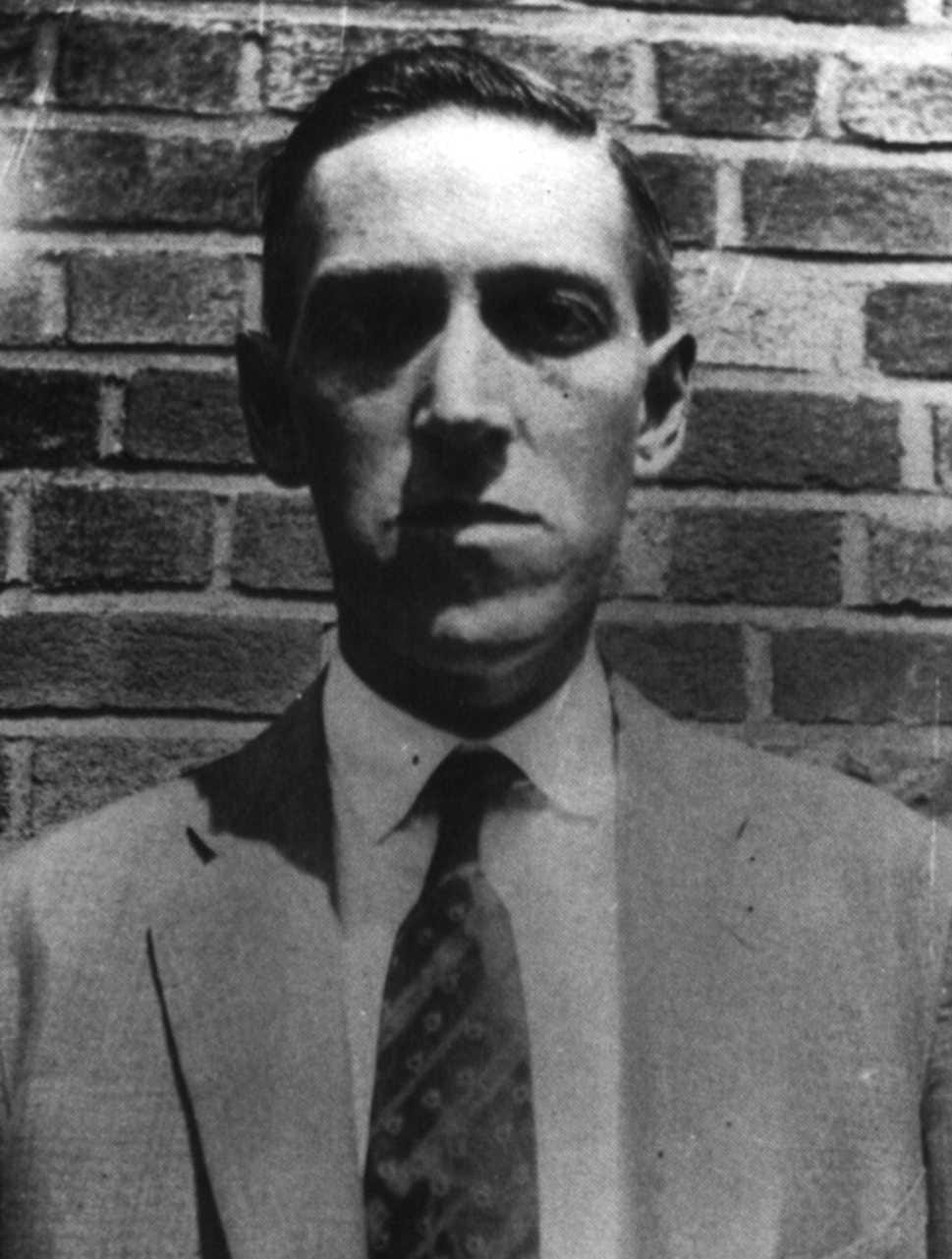
I've been a fan of HPL's stories since Sandy Petersen's tabletop RPG introduced me to his body of writings, and also August Derleth's and Ramsey Campbell's works, among others.
I've read, and re-read HPL's "The Call of Cthulhu," and it's been bugging me all this time. I don't know about anyone else here, and I'm here to ask for your insights, but have I been misidentifying the cosmic horror in Howard's short story all along?
His essay "Supernatural Horror In Literature" lays it down.
The oldest and strongest emotion of mankind is fear, and the oldest and strongest kind of fear is fear of the unknown ... The appeal of the spectrally macabre is generally narrow because it demands from the reader a certain degree of imagination and a capacity for detachment from every-day life.
In that essay, is HPL asserting that fear has its roots in the imagination, which is why weird fiction survives through engagement of the reader's imagination to invoke the fear that the reader craves?
And then there's "The Call of Cthulhu," which I am sure I have been misreading. See, the horror is not Cthulhu, nor R'Lyeh, nor the thought that some day the stars will be right.
The real horror is in these words, right at the top.
The most merciful thing in the world, I think, is the inability of the human mind to correlate all its contents. We live on a placid island of ignorance in t he midst of black seas of infinity, and it was not meant that we should voyage far ...
The true horror in "The Call of Cthulhu" is knowledge. It's the thought that we may, one day when the stars are right, correlate all the world's contents - and, to paraphrase TS Eliot, after such knowledge, what forgiveness?