
Solo Tabletop Roleplay Gaming
The Next Big Thing In TTRPG?

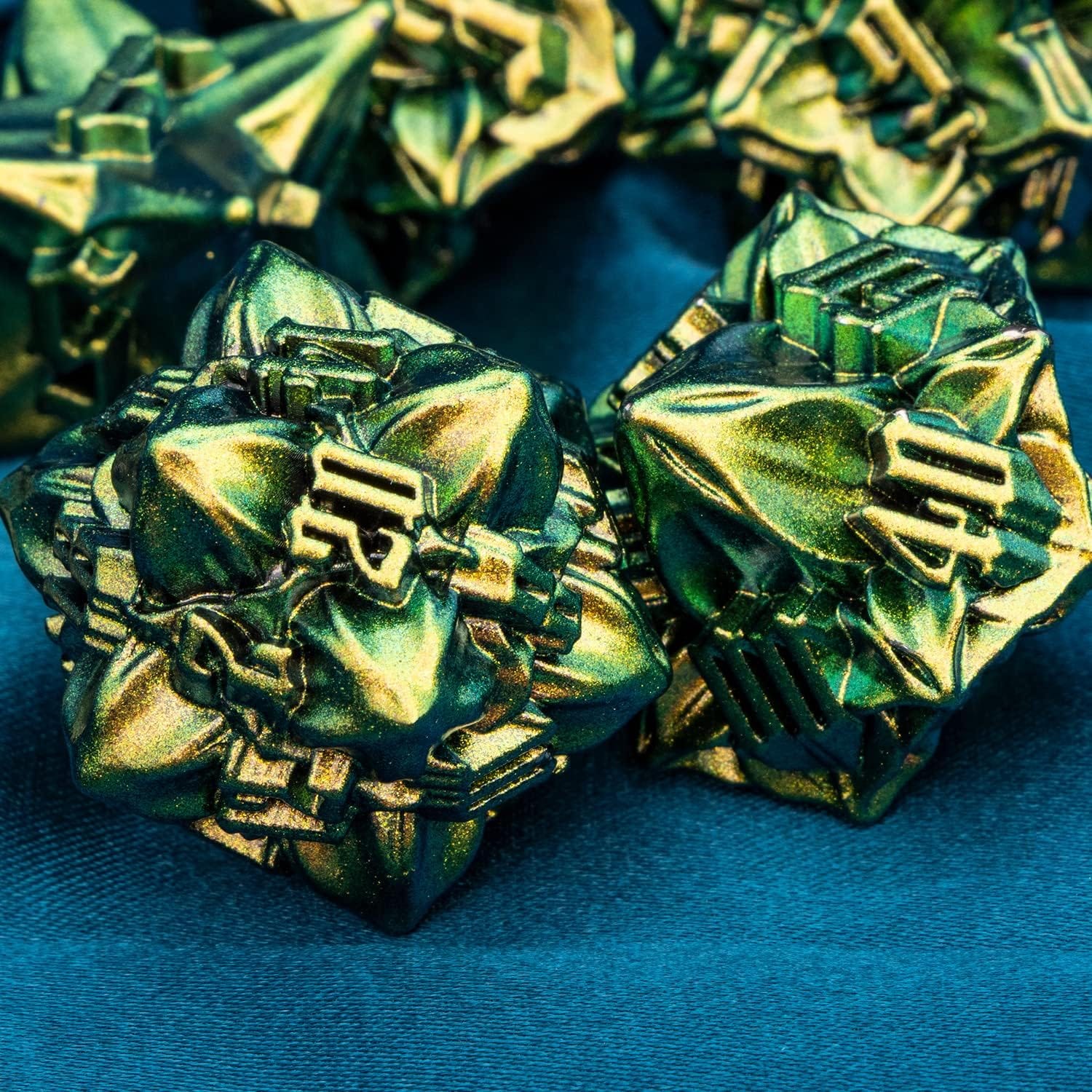
From what I can tell, the next big revolution in tabletop roleplaying games is not virtual gaming, not online experiences such as VTT or its successors, or even its predecessor Zoom Gaming, made immensely popular during covid.
It’s solo gaming.
Brief Intro to RPGs
You’ve all heard of one roleplaying game. It’s fantasy. It involves people running fantasy characters like chess pieces, putting them into imaginary dungeons, fighting waves of random creatures until they get to some Big Bad Evil Guy who gives them a merry fight before they cut him to pieces, and then they loot the place for treasure. The more you kill, the stronger you get.
Like slashers.
Most other games don’t follow that simplistic model. The movement has been peeling steadily away from murderhobo, hack’n’slash style gaming since the 2000s came along and people ditched the child’s game from the Seventies along with the dreadful edgelordy Nineties games where people played racist vampires or werewolves dressed like the worst stereotypes from the imaginations of colonialists of the last century.
Gaming had been embracing more involved and involving gaming. From the first draft of The Design Mechanism’s Mythras, itself a derivative of the venerable Chaosium game RuneQuest, has gone beyond creating a character’s basic characteristics, Attributes, powers and spells, to include more nebulous details such as backgrounds, family, connections, and life events. Traveller has had its lifepath-based character generation system brought in from its earliest incarnation with Games Designer’s Workshop as far back as 1977, where a character serves a number of four-year terms in various careers, learning their skills and acquiring both starting equipment and Connections, in the form of Allies, Contacts, Rivals, and Enemies.
Berin Kinsman’s Lightspress has given us DoubleZero (modern day action adventure) and Foragers Guild (fantasy adventures), where characters interact with one another, with various sentient and non-sentient entities, and with skulduggery from professional factions, pursuing investigations, diplomatic missions, pilgrimages, and any number of different adventures which are a long way from the crude video game violence of That Old First RPG.
But RPGs had to evolve pretty quickly four years ago, when we had those lockdowns - and while group play is still possible again, more and more gamers have been buying supplements for solo gaming.
Oracles
A number of different solo gaming systems are available. Ken Wickham, Parts Per Million, and Word Mill Games are among the most popular, and Jeansenvaars’ three products Game Unfolding Machine (GUM), Plot Unfolding Machine (PUM) and Scene Unfolding Machine (SUM) are incredibly versatile.
What each of these has in common are what are known as oracles. In regular tabletop gaming, players get to ask the Showrunner / Guide / Game Master / Referee all sorts of questions: Is this clue relevant? Am I heading in the right direction to find my client’s murderer? Who killed this person who wanted to hire me? And so on. The GM has to field these answers.
Oracles provide tables to answer both closed (yes/no) and open (who/what/where/when/how/why) questions, usually with the help of loads of tables, intended to cover every possible kind of answer.
The most recent entry in this list is Trey, meaning “three.” This comes from Frostbyte Books, who have also given us M-Space, Odd Soot and The Comae Engine. Trey uses a very small set of tables for its oracle, using just three dice - a d6, a d8, and a d10. Not only do you have to note their numbers, but also their positions - you consult a different table depending on whether it’s the d6, the d8, or the d10 which is furthest in front or on top.
Venues
According to some people who are in the gaming industry, a surprising amount of gamers can no longer find a decent gaming group to play with or run. So here is where solo gaming comes in.
With nobody else to play, social media platforms such as Instagram and TikTok are filling a gap. Gamers are able to go online and run chapters of their games, enjoying such exotic aspects as “bleed,” which is essentially caring for your character as one cares for a fictional character in a book or TV series; and stakes which are things that characters stand to win, or lose - that they have to care about.
Gaming is evolving, and the pastime is as active as ever. It is also evolving away from its decrepit old origins in hack’n’slash murderhobo wargaming, and it’s about time because it it’s to survive to reach D&D’s centenary, the industry will have to expand to meet the needs of a more sophisticated new audience, one which won’t be accepting “kill monster, loot treasure, get stronger, repeat” as the only way to run a game.
As I pointed out earlier this week, imagine if Gygax, the co-creator of D&D, had not come from a background of wargaming, but from amateur dramatics and improv theatre. What would his fantasy roleplaying game have looked like then? And what would gamers be doing now?